The Thirteenth Week: District and Community Events
Introduction
Every quarter in a NewVistas community has thirteen weeks. The first twelve weeks carry the ordinary work of the community. Businesses operate, councils and presidencies meet, courses are taught, and each village holds its Sunday and weekday gatherings. The thirteenth week is different. It carries no ordinary meetings, no village gatherings, and no courses, so that the whole community can rest and gather at the same time.
The thirteenth week is part of a longer break. Ordinary work ends on the Thursday of week 12, and it does not begin again until the Monday of the next quarter. Each household therefore has ten days free of ordinary work every quarter. Each household also plans how it will use those days in its Life Plan.
This paper describes the first five days of the thirteenth week, from Monday to Friday. These are the days of the district and community events. The Saturday and Sunday of the week are given to the quarterly conference, which is described in its own papers.
Why the community rests together
In most places, people take their holidays at different times. One family travels in summer, while another takes a week in winter. As a result, it is difficult for a whole town to come together, except on a few public holidays.
In NewVistas, the whole community stops in the same week. This means that families, friends, and neighbours are free at the same time. It also means that the larger events of the quarter can be planned with confidence, because everyone knows when they will take place.
Regular breaks are also good for people. Research on rest shows that the benefit of a long holiday fades quickly once people return to work. Shorter breaks, taken often, do more to keep people well. A long weekend every week and a ten-day break every quarter follow this pattern.
The days of the week
Monday to Thursday
During the day, households follow their own plans. Some travel, and some visit family. Others give the time to a sport, an instrument, a field of study, or a form of service. No one is required to take part in anything.

In the evening, each district holds its own events in its district building, from 6:00 to 8:00. A district has around 4,000 people, made up of four villages of around 1,000 people each. Each village in turn is made up of ten Branches of around 100 people.
The district events build on the activities of the previous twelve weeks. During those weeks, each village holds events for its classes on one evening each week. For instance, the teenagers of a village may have played each other at chess, or the young adults may have formed a football league. In the thirteenth week, the best players from every village in the district meet each other, and the finals are usually held on the Thursday evening.
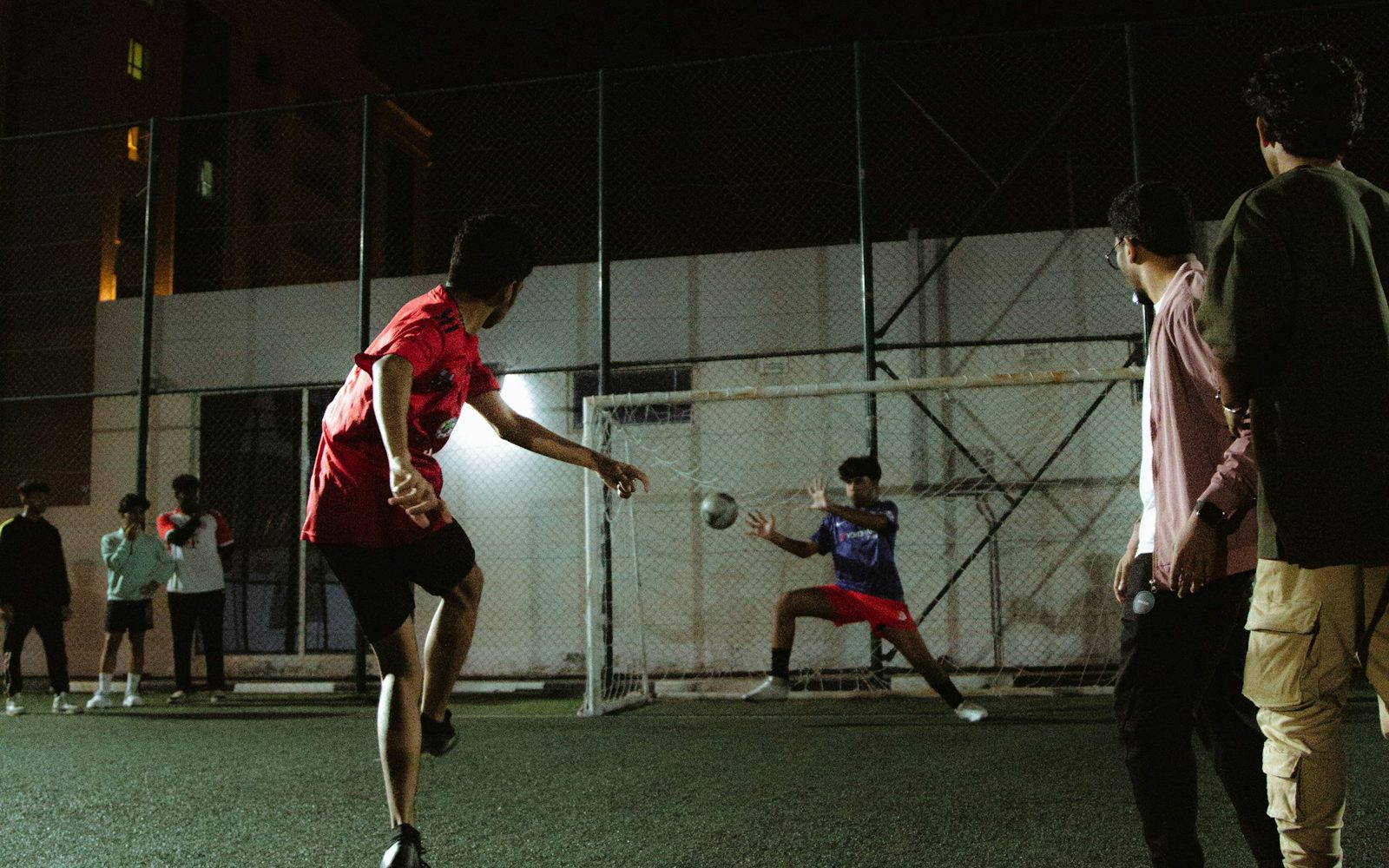
The district evenings also allow for events that a single Branch or village could not hold. A district may hold a cultural evening, at which residents from different backgrounds share their food, dress, music, and dance. It may also hold talks, performances, and exhibitions that would not draw a large enough audience at a smaller scale.
Friday
On the Friday, the whole community gathers. Around 92,000 to 100,000 people may take part. The day is organized under the standards of Bureau 6, Leisure, and it is held across the community’s larger venues, as the programme requires.
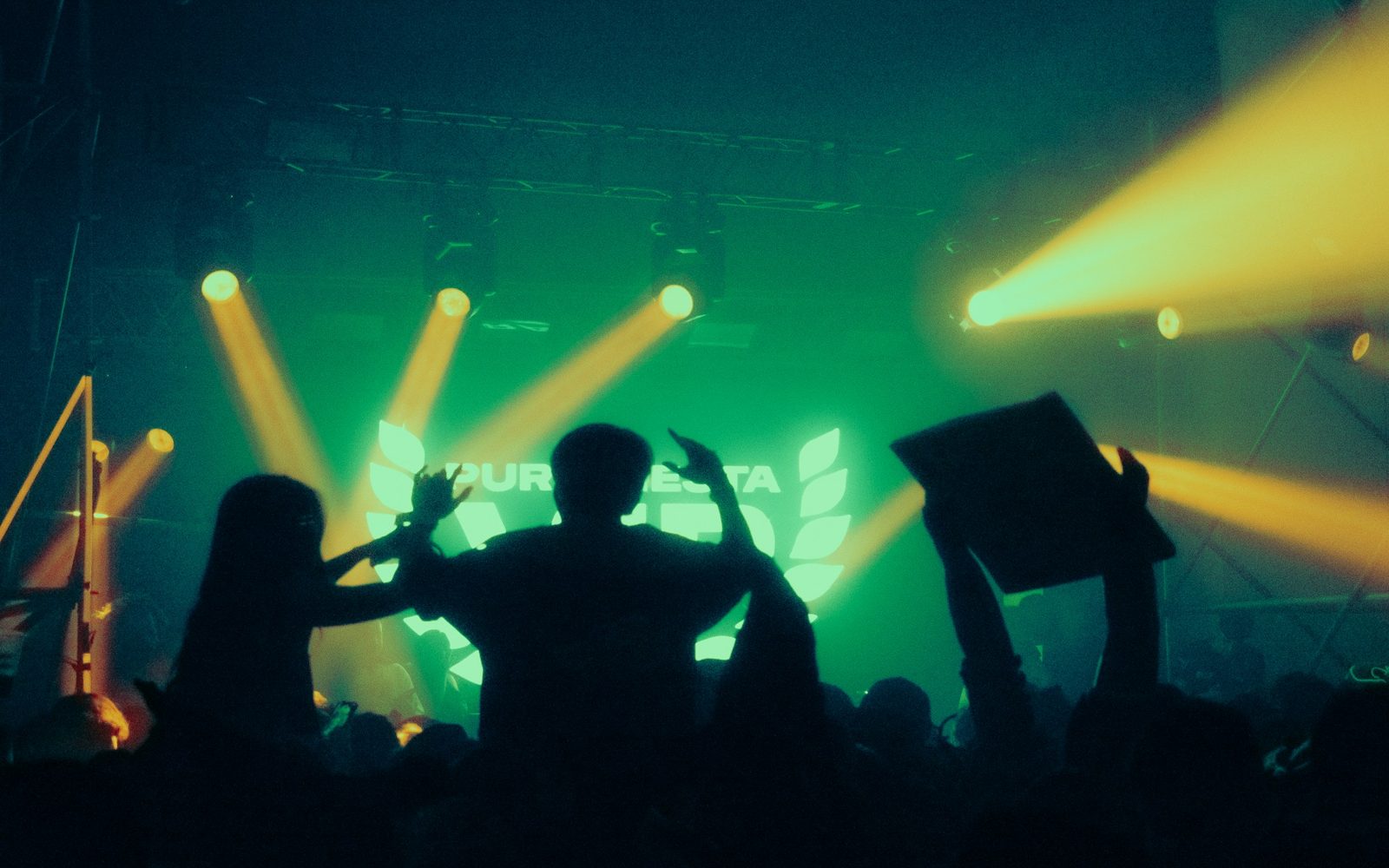
The Friday events are much larger than the district events. They may include concerts, sports tournaments, and an agricultural fair at which farmers show their best produce. Businesses can also use the day to show new products and services to a much larger audience. For instance, a developer may show an app that helps people manage their homes or their businesses.

The Friday is booked for the whole community. It is never given to one association or one group, so that no part of the community can claim it as its own.
The timetable
The following table shows how the five days are used.
Who organizes the events
The district councils and Bureau 6 do not run these events. The district council sets the calendar for its district, so that events do not clash, and it approves the events that meet Bureau 6 standards. Bureau 6 sets the standards for the Friday events and publishes the calendar.
The events themselves are organized by event Business Enterprises. Each one books its venue, arranges its programme, and runs the event on the day. In this arrangement, no council or bureau holds money for events, and no public servant is responsible for running them.
How the events are paid for
In NewVistas, the person who benefits from a service pays for it. This applies to the thirteenth week as much as to any other part of community life. The district, the community, and Bureau 6 do not pay for any event, because none of them has a budget.
The events are therefore paid for in four ways.
- Tickets are bought by those who attend an event.
- A week-13 pass may be included in a household’s Life Plan. It covers the household’s district and community events for the week.
- Stall and exhibitor fees are paid by businesses that use an event to show their goods, such as the farmers at the agricultural fair.
- Sponsorship may be offered by businesses that wish to be associated with an event.
Participants commit first, and venues are booked afterwards. Each event sets a minimum number of tickets or passes, and its organizer books the venue only once that minimum is reached. If the minimum is not reached, the event does not go ahead, and those who bought tickets are refunded. A refund returns a person’s own money, so it is not a reimbursement.
Presidents take part on the same terms as everyone else. Organizing or presiding at an event earns no free entry, and no one is reimbursed for any cost. This is important, because once leaders are allowed a budget, they tend to want a larger one. Without budgets, every event must be worth paying for to the people who attend it.
Planning the week
The events of the thirteenth week are planned during the twelve weeks before it. The programme for the district and community events is published in week 6. Ticket and pass sales close in week 10. Events that have reached their minimum book their venues in week 11, and the events take place in week 13.
This timetable gives households time to plan their week, and it gives each organizer a clear answer about whether an event will go ahead. It also means that no venue is booked for an event that people have not chosen to attend.
Services that cannot stop
Some services cannot stop, even for a week. For instance, nursing, the utilities that supply power and water, and work at the mines and wells must continue at all hours. The owners of these services therefore take their thirteenth week in rotation, one week in every thirteen. As a result, the service is never left without someone on duty, and every owner still receives a full week of rest each quarter.
Conclusion
The thirteenth week gives the whole community a shared rest every quarter. From Monday to Thursday, households follow their own plans by day, and each district gathers in the evening. On the Friday, the whole community comes together. The councils set the calendar, businesses organize the events, and those who take part pay for them. In this way, the community can hold large and varied events every quarter without any council or bureau holding money for them.
See also Gathering & Event Economics and Units, Groups, Classes, and Branches.