Food, Land, & Restoration
Environment: The Thousand-Year Standard · Pillar 1 of 5
Fill the world while consuming less of it.
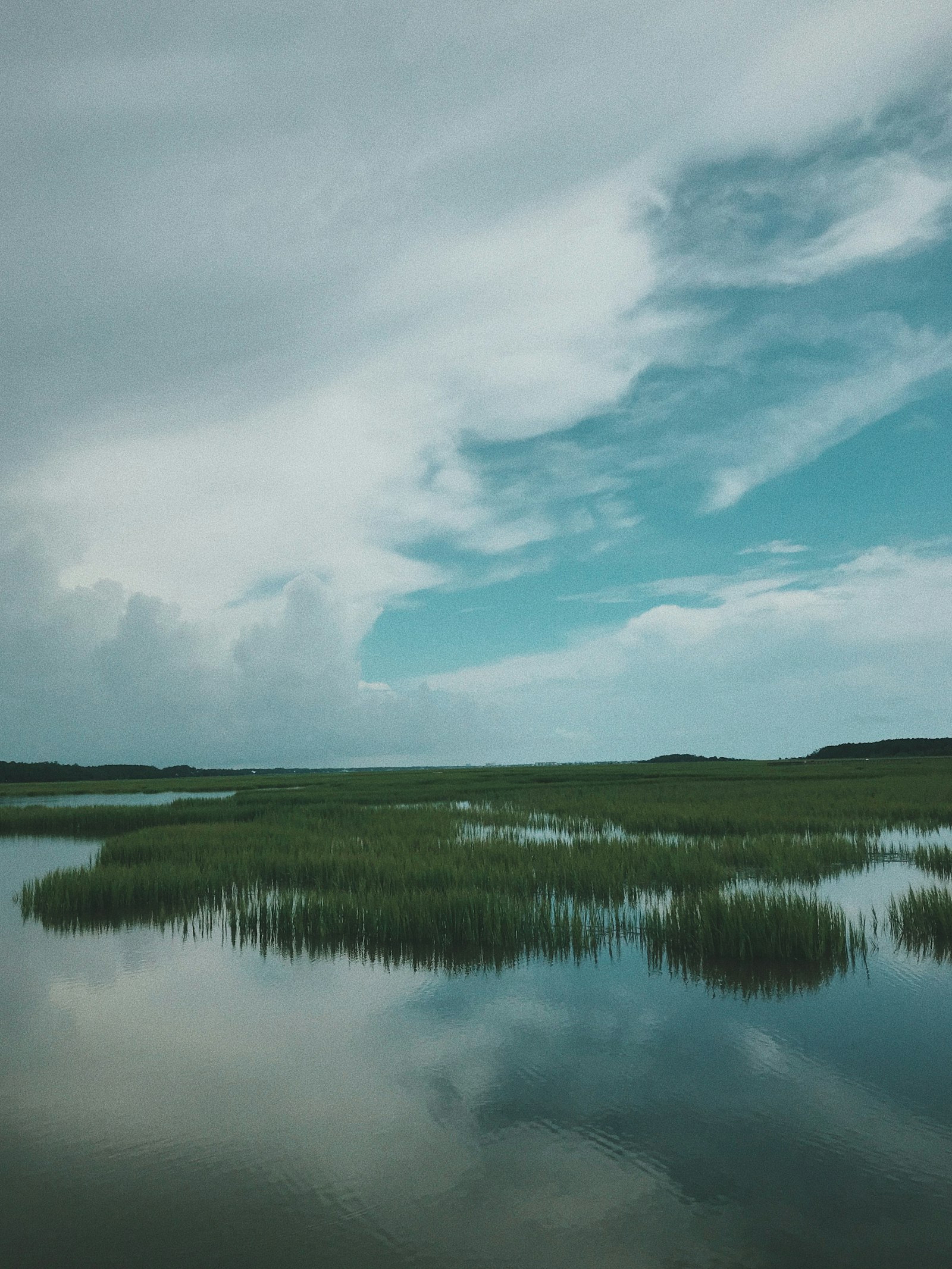
The pattern is designed to house a larger population on far less land — and to give the rest back. Compact settlement, vertical and controlled-environment farming, and a plant-centered dietary order together shrink the human footprint dramatically.
Even housing half again today’s population, the full pattern occupies about a third of the land civilization uses now, and only about an eighth of the planet’s land surface. The land that is freed is not abandoned — it is restored.
II · A restored, green earth
The freed land is tended, not left
Roughly twelve to thirteen million square miles — comparable to all of today’s farmland — is released. But wilderness with humankind present is not self-maintaining: the freed land has its large animals restored or represented by managed herds and its fire reintroduced under control, so grasslands, forests, rivers, and coasts are brought back and kept. These restored lands are held by communities and operated by Enterprise Owners under Bureau 6, as travel and recreation become a very large Business Enterprise field.
The remainder is freed not to lie idle, but to be restored — a filled earth ends greener.On the worldwide fill
The savings come from density, from vertical and controlled-environment farming, and above all from the dietary order — low grass-fed meat, whole grain as the staff, no food crops for fuel — all governed by the standards of Bureau 4, Food, Nutrition, Agriculture & Health.
III · In short
Summary
Food, Land & Restoration is the concept’s headline: fill the world while consuming less of it. Density, controlled-environment farming, and a plant-centered diet cut the human footprint from about a third of usable land to roughly an eighth of the planet, freeing land on the scale of all today’s farmland — which is then restored rather than abandoned, its herds and fire returned under Bureau 6. Making that durable requires a rule about what may be done to land at all: the Thousand-Year Standard.
Environment: The Thousand-Year Standard — Food, Land & Restoration · The Thousand-Year Standard · Ecological Siting · Biodiversity as Capital · Footprint Accounting.